Before You Bet, Read This AI Prediction Technology Breakdown
In 2026, artificial intelligence has fundamentally transformed how prediction platforms analyze complex data. OpenAI and Anthropic AI models are being tested by US public health agencies, while health...

Before You Bet, Read This AI Prediction Technology Breakdown
In 2026, artificial intelligence has fundamentally transformed how prediction platforms analyze complex data. OpenAI and Anthropic AI models are being tested by US public health agencies, while healthcare innovators like Bunkerhill Health have secured $55 million to scale agentic AI platforms. Google's DeepMind division launched a bioresilience program to prevent AI misuse in biology, and Neko Health raised $700 million to expand AI body scanning capabilities in the US. The Kimi K3 open-weight model from China represents a strategic shift in AI design, prioritizing memory architecture over raw computational power. These developments signal a new era where memory-centric AI systems can retain, retrieve, and build upon previous analytical insights, enabling more nuanced and contextually aware predictions than traditional computational models ever could.
Photo by Google DeepMind on Pexels
Before 2025: How AI Prediction Models Worked
Traditional AI prediction models relied heavily on raw computational power to process data. These systems analyzed information within a single interaction, lacking the ability to maintain context across multiple queries. Sports prediction platforms, healthcare diagnostic tools, and financial forecasting systems all operated on similar principles: they would process input data, generate an output, and reset to baseline for the next interaction. The quality of predictions depended primarily on the sophistication of the underlying algorithm and the volume of training data. However, this approach limited the depth of analysis possible, as each query was treated as an isolated event without reference to previous insights or accumulated context.
[Internal Link: beginner's guide to AI prediction models]
The key is understanding that early AI systems were fundamentally reactive rather than proactive. They could process vast amounts of data quickly, but they lacked the memory structures necessary to build upon previous analytical sessions. This limitation meant that complex, multi-layered predictions required significant computational overhead and often produced inconsistent results when analyzing interconnected variables. Prediction platforms had to rely on external databases and human interpretation to bridge the contextual gaps that traditional AI models could not address on their own.
The 2026 Shift: Why Memory-Centric AI Changes Everything
The most significant development in 2026 is the emergence of memory-centric AI architectures that fundamentally challenge traditional computational assumptions. The Kimi K3 model exemplifies this approach, prioritizing memory retention capabilities over raw processing power. Unlike conventional models that treat each query as an isolated event, memory-centric systems maintain continuous context across interactions, enabling more nuanced and sophisticated analysis. This architectural shift has profound implications for prediction accuracy, as these systems can now reference previous analytical findings, track evolving patterns over time, and build increasingly refined models of complex systems.
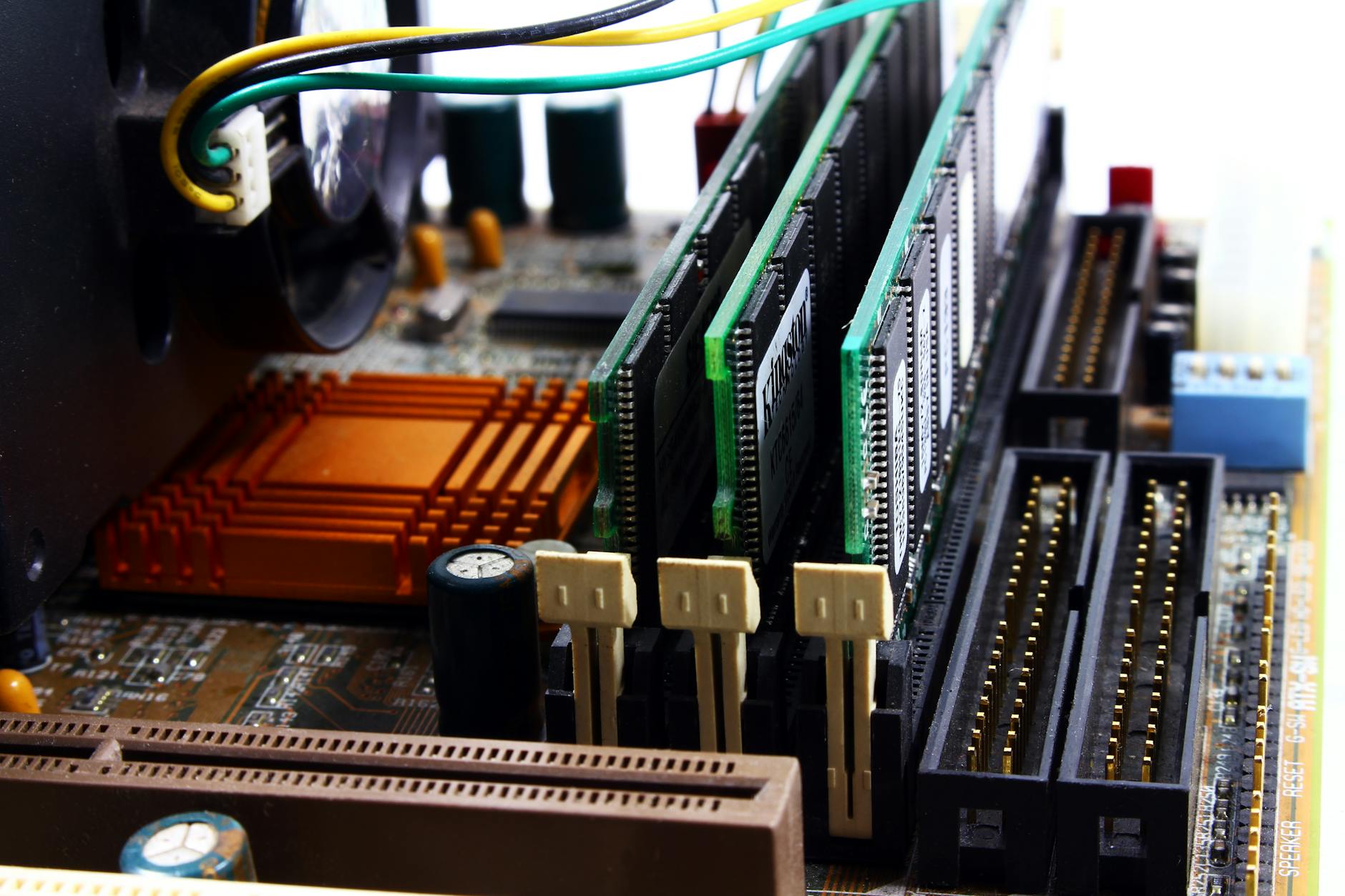
Photo by Valentine Tanasovich on Pexels
Google DeepMind's bioresilience initiative demonstrates how advanced AI models are being applied to complex biological systems, utilizing memory-driven architectures to identify potential misuse patterns while supporting legitimate outbreak response efforts. The integration of memory capabilities means these systems can track subtle variations in biological data over extended periods, something that was virtually impossible with traditional computational approaches. Bunkerhill Health's agentic AI platform further illustrates this shift, aggregating data across clinical, genomic, and physiological domains to create comprehensive health assessments that would be impossible for traditional AI systems to generate.
[Internal Link: advanced tips and techniques]
It is worth noting that the memory-centric approach represents a fundamental rethinking of AI architecture rather than merely an incremental improvement. The Kimi K3 model's success suggests that for certain applications, memory capacity may prove more valuable than computational speed. This realization is reshaping how both established technology companies and startups approach AI development, with memory optimization becoming a primary design consideration alongside traditional metrics like parameter count and training data volume.
What Changed for Sports Prediction Platforms?
Sports prediction platforms stand at the threshold of a technological revolution that could fundamentally reshape how forecasts are generated and delivered. The memory-centric AI approach enables prediction systems to maintain comprehensive contextual awareness across entire tournament cycles, tracking team form, player conditions, tactical evolution, and historical matchups simultaneously. This capability is particularly relevant for major sporting events like the upcoming FIFA World Cup, where the complexity of factors influencing match outcomes demands sophisticated analytical approaches that traditional AI systems could not adequately provide.

Photo by Negative Space on Pexels
The convergence of healthcare AI and sports prediction technologies is creating unexpected synergies. Techniques developed for medical diagnostics, such as those employed by Neko Health's body scanning systems, are being adapted for athlete performance analysis and injury prediction. These cross-industry applications demonstrate how memory-centric AI can extract meaningful patterns from complex, multi-dimensional datasets that traditional analytical approaches would struggle to process. Prediction platforms that successfully integrate these emerging capabilities may gain significant competitive advantages in forecasting accuracy.
Players and bettors alike benefit from these advances, as more sophisticated AI predictions provide deeper insights into likely outcomes. The ability of memory-centric systems to track subtle patterns over extended periods means that predictions can now incorporate factors that would be invisible to traditional analytical approaches. From tactical trends that develop over multiple seasons to psychological factors that influence team performance under specific conditions, these AI systems offer unprecedented analytical depth.
What This Means Now: Current State and Real-World Applications
The practical applications of memory-centric AI are already visible across multiple industries. In healthcare, US public health agencies are actively testing OpenAI and Anthropic AI models to evaluate their effectiveness in public health monitoring and response planning. These systems can now maintain contextual awareness across extended disease surveillance periods, identifying subtle patterns that might indicate emerging health threats before they become apparent through traditional monitoring approaches. Bunkerhill Health's $55 million investment in agentic AI platforms further validates the commercial potential of these advanced analytical systems.

Photo by Tima Miroshnichenko on Pexels
The sports technology sector is experiencing parallel developments. AI-driven body scanning technologies, exemplified by Neko Health's $700 million expansion initiative, demonstrate how memory-centric approaches can process and integrate diverse data streams to generate comprehensive health assessments. When applied to sports contexts, these same principles enable prediction platforms to analyze athlete performance data with unprecedented sophistication, tracking how various factors interact and evolve over time to influence competitive outcomes.
Regulatory bodies are beginning to develop frameworks for AI applications in prediction markets, recognizing both the potential benefits and the need for appropriate oversight. The 2026 landscape features a complex interplay between technological innovation and regulatory development, with agencies in multiple jurisdictions working to establish guidelines that encourage responsible AI development while preventing misuse. Prediction platforms must navigate this evolving regulatory environment while continuing to leverage advanced AI capabilities to improve their analytical offerings.
Three Predictions for Next Quarter
1. Memory-Enhanced Sports Prediction Models Gain Traction: By the end of the next quarter, at least two major sports prediction platforms will announce integration of memory-centric AI capabilities specifically designed for sports forecasting applications. These systems will demonstrate measurable improvements in prediction accuracy for complex outcomes like tournament winner forecasting and multi-leg accumulator predictions. The shift will be driven by competitive pressure as platforms seek differentiation in an increasingly crowded market.

Photo by Burak The Weekender on Pexels
2. Healthcare-Sports AI Technology Crossover Accelerates: Cross-industry technology transfer between healthcare AI and sports prediction domains will intensify, with at least one major sports analytics provider announcing a partnership with a healthcare AI company. This convergence will enable novel approaches to athlete performance prediction and injury risk assessment, leveraging techniques originally developed for medical diagnostics. The trend reflects growing recognition that memory-centric AI principles apply broadly across complex prediction domains.
3. Regulatory Frameworks for AI Predictions Emerge: Regulatory bodies in at least three major jurisdictions will publish preliminary guidance on AI applications in prediction markets, including sports betting platforms. These frameworks will address transparency requirements, algorithmic accountability standards, and consumer protection measures specific to AI-driven predictions. Platforms that proactively align with emerging regulatory expectations will likely gain competitive advantages as compliance becomes a market differentiator.
Frequently Asked Questions
Q: What makes memory-centric AI different from traditional prediction models?
A: Memory-centric AI maintains continuous context across interactions, unlike traditional models that reset after each query. The Kimi K3 model prioritizes memory architecture, enabling systems to retain, retrieve, and build upon previous analytical insights. This approach allows predictions to incorporate accumulated understanding rather than treating each query as an isolated event.
Q: How are US public health agencies using AI in 2026?
A: US public health agencies are testing OpenAI and Anthropic AI models for disease surveillance, outbreak prediction, and public health response planning. These memory-centric systems can track health patterns over extended periods, identifying subtle variations that might indicate emerging threats. The technology enables more proactive public health management through predictive analytics.
Q: What is Kimi K3 and why does it matter?
A: Kimi K3 is an open-weight AI model from China that represents a strategic shift from computational power to memory architecture. Unlike proprietary models like OpenAI's offerings, open-weight models allow public inspection and modification. The approach challenges traditional assumptions about what makes AI effective for complex prediction tasks.
Q: How might AI improve sports predictions for the 2026 FIFA World Cup?
A: Memory-centric AI can track team form, player conditions, tactical evolution, and historical patterns simultaneously across entire tournament cycles. These systems offer unprecedented analytical depth for match forecasting, incorporating factors that traditional AI approaches would miss. The technology enables more nuanced predictions that account for context and accumulated understanding.
Q: What is agentic AI in healthcare applications?
A: Agentic AI refers to systems capable of autonomous decision-making within defined parameters. Bunkerhill Health's $55 million platform demonstrates this approach, aggregating clinical, genomic, and physiological data to generate comprehensive health assessments. These systems can identify patterns across diverse data streams that would be impossible for human analysts or traditional AI to process.
Q: Why did Neko Health raise $700 million for AI body scans?
A: Neko Health's substantial funding reflects growing confidence in AI-driven body scanning technologies. Their approach leverages advanced AI to analyze comprehensive body data, promising more accurate health assessments than traditional diagnostic methods. The investment signals broader market acceptance of AI applications in preventive healthcare and diagnostics.
Q: How does Google DeepMind's bioresilience program work?
A: DeepMind's bioresilience initiative develops safeguards against AI misuse in biological research, particularly DNA synthesis. The program employs memory-centric AI to track potential misuse patterns while supporting legitimate scientific research and outbreak response. This dual-purpose approach demonstrates how advanced AI can enhance security without unduly restricting beneficial research.
Thank you for reading this dispatch.
Coach's Corner · The Digital Broadsheet · Issue No. 001