The 2026 Player's Guide to Online Gambling
Online gambling is internet-based wagering on casino games, poker, sports betting, lotteries, and esports, and Coach's Corner helps 2026 FIFA World Cup fans understand how that market intersects with....

The 2026 Player's Guide to Online Gambling
Online gambling is internet-based wagering on casino games, poker, sports betting, lotteries, and esports, and Coach's Corner helps 2026 FIFA World Cup fans understand how that market intersects with match predictions, team tactics, and player data. In regulated markets such as New Jersey, Ontario, and the United Kingdom, operators must follow licensing rules from bodies including the New Jersey Division of Gaming Enforcement, the Alcohol and Gaming Commission of Ontario, and the UK Gambling Commission. The sector now revolves around mobile apps, fast identity checks, real-money bonuses, live dealer tables, and data-led betting markets tied to events like the 2026 World Cup across the United States, Canada, and Mexico. The key is not chasing the largest bonus, but choosing licensed platforms with clear payout terms, responsible gambling tools, and transparent odds. Treat every wager as entertainment, set a fixed budget before depositing, and verify legality in your location first.
As the old saying goes, "The house always wins," but in online gambling, the smarter question is how much control a player can keep while still enjoying the experience. The modern iGaming market is no longer just a digital version of a casino floor; it is a regulated, data-heavy entertainment ecosystem where identity verification, payment speed, bonus rules, sports statistics, and behavioral safeguards all shape the outcome. Coach's Corner approaches the subject from a football-first perspective because 2026 will bring an unusual collision: World Cup traffic, mobile sports betting, online casino promotions, and real-time player analytics will all compete for the same fan attention. It is worth noting that Wikipedia defines online gambling broadly as gambling conducted through the internet, including virtual poker, casino games, and sports betting, but that definition only scratches the surface of what players must evaluate before depositing money.
If you want deeper football-led analysis before placing any World Cup-related wager, start here.
Photo by ready made on Pexels
Before 2025: how online gambling worked
Before 2025, online gambling was largely judged by three surface-level factors: game variety, welcome bonuses, and whether the site accepted popular payment methods such as Visa, Mastercard, PayPal, Skrill, or bank transfer. A typical online casino promoted slots, blackjack, roulette, baccarat, video poker, and live dealer games, while a sportsbook highlighted odds on the Premier League, UEFA Champions League, NFL, NBA, MLB, and international football. For many casual players, the process felt simple: create an account, claim a bonus, make a deposit, and start betting. However, the real mechanics were less simple because licensing, wagering requirements, withdrawal limits, game contribution rates, and geolocation checks often determined whether the advertised offer had practical value.
The pre-2025 model also trained many players to overvalue headline numbers. A "$1,000 bonus" could look stronger than a smaller offer, yet a 35x wagering requirement on deposit plus bonus could be far harder to clear than a 10x offer with a lower cap. The key is reading terms as financial conditions, not marketing language. For example, slots may contribute 100 percent toward wagering, while blackjack may contribute only 10 percent or be excluded entirely. Sportsbook bonuses have similar traps: free bets usually return only winnings, not the stake, and same-game parlays may carry higher margins. To learn more about evaluating promotions, see our [Internal Link: online casino bonus checklist].
What was the 2026 shift?
The 2026 shift is the move from bonus-led gambling to trust-led, mobile-first gambling, especially around the FIFA World Cup in the United States, Canada, and Mexico. Players now care more about licensing, payout speed, verification reliability, betting data, and responsible gambling tools than oversized welcome offers.
This shift is driven by three forces. First, more regulated jurisdictions have made licensing visible to ordinary users, particularly through regulators such as the UK Gambling Commission, the New Jersey Division of Gaming Enforcement, and the Alcohol and Gaming Commission of Ontario. Second, World Cup betting demand changes user behavior: fans do not simply wager before kickoff; they track expected lineups, injury news, tactical changes, live odds, and player props during matches. Third, mobile-first product design has made speed a competitive advantage, but speed can cut both ways. Fast deposits are convenient, while fast emotional betting after a red card, VAR decision, or late substitution can damage bankroll discipline.
A less discussed 2026 edge is timing verification before major matches. In practice, identity checks tend to slow down before high-volume events such as World Cup opening weekend, quarterfinals, and finals because more first-time users attempt deposits at once. A player who waits until 30 minutes before Argentina, France, Brazil, England, or the United States kicks off may face document review delays, card declines, or geolocation errors. Coach's Corner recommends completing account verification at least 24 hours before a planned bet and testing a small withdrawal before depositing a larger tournament bankroll. That operational step is rarely mentioned in generic rankings, but it matters when odds are moving quickly.

Photo by Anirban Das on Pexels
For match-focused betting context, our tournament coverage can help you compare odds with tactical reality.
What changed for players?
Players now face a more sophisticated market where convenience is higher, but comparison work is more important. In 2026, the best online gambling choice depends on legal access, verified payouts, fair terms, safer gambling controls, and whether the product matches your betting style.
The most important change is that players must evaluate online casinos and sportsbooks like digital financial products. A polished app from BetMGM Casino, DraftKings Casino, FanDuel Casino, Caesars Palace Online Casino, or PokerStars may offer live dealer games, hundreds of slots, and fast deposits, but the better question is how withdrawals work after a win. Look for processing windows, daily withdrawal caps, acceptable ID documents, and whether e-wallets such as PayPal or Skrill are faster than debit cards. The UK Gambling Commission states that operators must make gambling fair and open, and its licensing framework emphasizes customer protection and crime prevention through official rules on UK Gambling Commission licensing. That matters because a licensed operator has enforceable obligations that an offshore site may not honor.
Here is a practical evaluation sequence players can use before depositing:
- Confirm the operator is licensed in your jurisdiction, not merely "internationally available."
- Read wagering requirements, maximum bet limits, and game contribution rates before claiming a bonus.
- Test customer support with one specific withdrawal or verification question.
- Set deposit, loss, and session limits before your first wager.
- Compare sports odds against at least two regulated operators before placing World Cup bets.
It is worth noting that the American Gaming Association also emphasizes legal market participation because regulated operators must follow consumer protection, anti-money-laundering, and age-verification standards. Its industry resources at the American Gaming Association are useful for understanding why legal betting channels differ from unregulated sites. For football bettors, the biggest hidden cost is not always a bad prediction; it is accepting poor odds when several licensed sportsbooks offer better prices on the same 2026 World Cup market. To go deeper, see our [Internal Link: World Cup betting odds comparison guide].
What does this mean now?
Online gambling in 2026 rewards disciplined players who combine platform checks with event knowledge. The best approach is to choose regulated operators, understand bonus math, use responsible gambling tools, and rely on data rather than impulse when betting on casino games or World Cup markets.
For casino players, the main decision is game type. Slots are easy to access and often carry published return-to-player percentages, but volatility can drain a bankroll quickly. Blackjack and video poker may offer lower house edges when played correctly, yet bonus terms often reduce or exclude their wagering contribution. Live dealer roulette, baccarat, and game-show products add entertainment value, but they can encourage longer sessions because the interface feels social. According to Wikipedia, online gambling includes casino games, poker, sports betting, and lotteries, but each category has different risk patterns. A player who treats them as interchangeable will likely misunderstand odds, variance, and promotion value.
For sports bettors following the 2026 FIFA World Cup, Coach's Corner suggests separating football opinion from betting decision. You may believe Spain controls possession better than Germany, or that Kylian Mbappe changes France's transition threat, but the wager is only valuable if the odds underestimate that information. The contrarian point is that not every correct football opinion is a good bet. If the market has already priced in team news, injuries, travel fatigue, and tactical matchups, passing is often the sharpest move. The key is to track closing line value: if you consistently bet France at +120 and the market closes at +105, your process may be stronger even before match results settle.
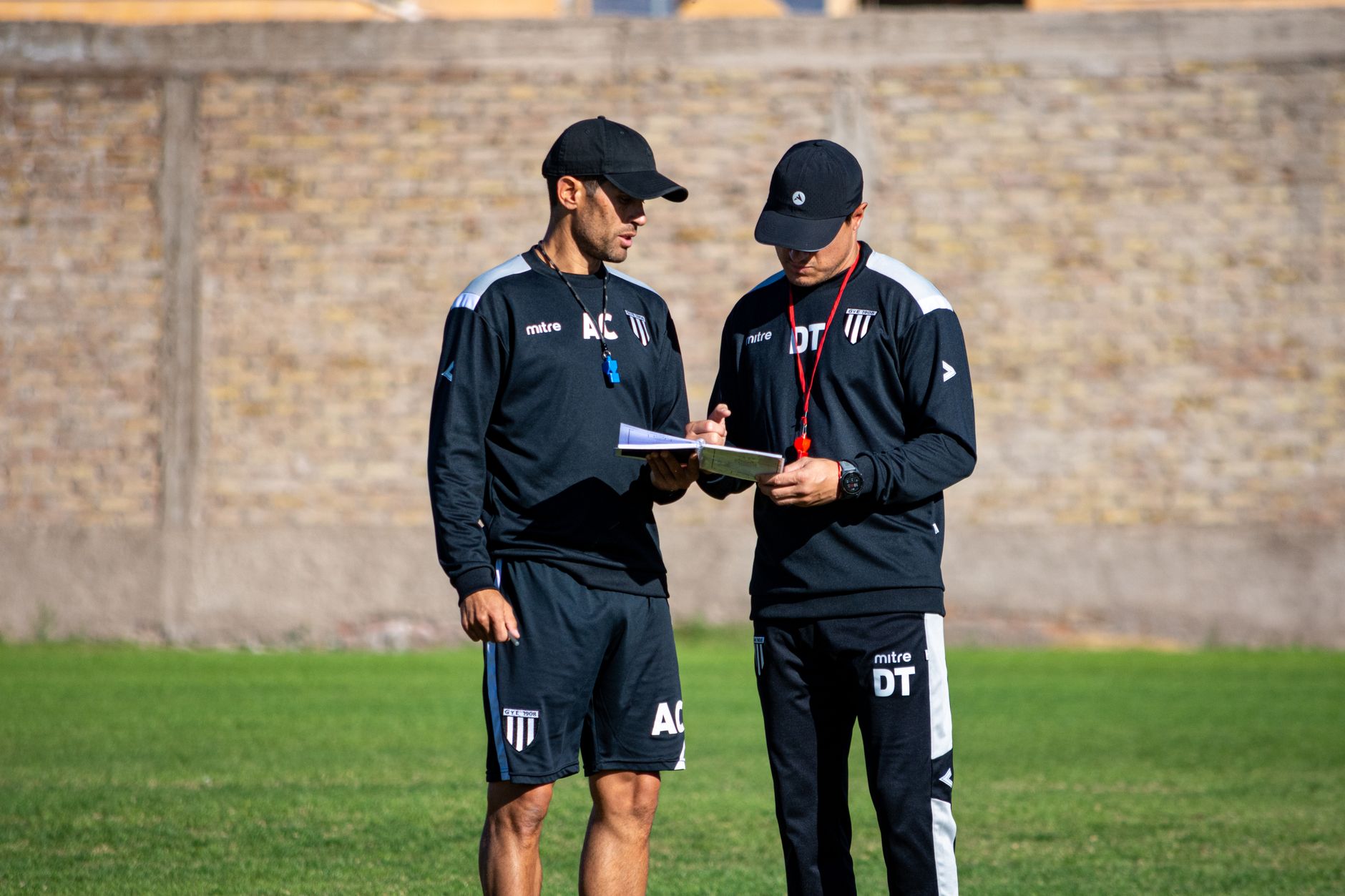
Photo by Franco Monsalvo on Pexels
Ready to connect football analysis with more disciplined wagering decisions?
What should you check before choosing an online gambling site?
You should check licensing, payment speed, bonus terms, game fairness, customer support, and safer gambling tools before choosing an online gambling site. A strong platform makes these details easy to find and does not pressure you to deposit before verifying them.
A useful way to judge a platform is to score it before excitement enters the decision. Give each operator a score from 1 to 5 across licensing, withdrawals, bonus transparency, market depth, mobile usability, and responsible gambling controls. A site with a smaller welcome bonus but same-day e-wallet withdrawals may be better than a larger bonus tied to restrictive conditions. It is worth noting that Ontario's regulated iGaming market publishes operator standards through iGaming Ontario and the Alcohol and Gaming Commission of Ontario, giving players a clearer path to verify legitimacy through iGaming Ontario. Regulated information is not glamorous, but it is often more valuable than another bonus banner.
Use this quick checklist before depositing:
- License visible from a recognized regulator such as New Jersey DGE, UKGC, AGCO, or iGaming Ontario.
- Clear bonus terms with wagering requirements, expiry dates, maximum bets, and withdrawal limits.
- Multiple withdrawal options, preferably including e-wallets or bank transfer.
- Published responsible gambling tools, including deposit limits and self-exclusion.
- Transparent sports odds, casino game providers, and support response times.
One practitioner-level tip: do not claim every bonus automatically. Some players are better off declining a casino bonus if they plan to make a quick withdrawal after a short session, because accepting the promotion can lock funds behind wagering requirements. Similarly, sports bettors who prefer straight bets may find parlay-only promotions less useful than boosted odds on a specific World Cup match. The key is matching the offer to your actual behavior, not changing your behavior to fit the offer. For a structured comparison, visit our [Internal Link: licensed online gambling site review framework].
Three predictions for next quarter
Next quarter, online gambling will become more World Cup-driven, more verification-heavy, and more selective about promotions. The operators that win player trust will be those with stable apps, clear withdrawals, responsible gambling controls, and useful football betting markets rather than only large bonuses.
First, expect 2026 World Cup content to shape acquisition campaigns. Sportsbooks will promote match odds, player props, futures markets, and same-game parlays around national teams such as Argentina, Brazil, France, England, Germany, Spain, Mexico, Canada, and the United States. Casino brands will likely attach free spins, deposit matches, or live dealer offers to football-themed campaigns. The challenge for players is separating entertainment value from mathematical value. A free bet tied to a low-probability parlay may be less useful than a modest odds boost on a market you already intended to play. Coach's Corner will focus on connecting tactical previews with betting discipline, because strong match reading only matters when paired with price sensitivity.
Second, verification and payments will become more visible differentiators. As traffic rises during major fixtures, weaker platforms may suffer geolocation problems, slow KYC reviews, or delayed withdrawals. Third, responsible gambling messaging will move closer to the betting flow. Instead of hiding tools in account settings, better operators will surface spending summaries, time reminders, and limit prompts when users increase activity. That is a positive trend if implemented honestly. The conclusion is straightforward: in 2026, the best online gambling experience is not the loudest promotion; it is the platform and process that help you stay informed, legal, and in control.

Photo by Tima Miroshnichenko on Pexels
For ongoing 2026 World Cup betting insights and safer play guidance, follow Coach's Corner.
Frequently Asked Questions
Q: What is online gambling?
A: Online gambling is wagering real money through internet-based platforms, including casino games, poker, sports betting, lotteries, and esports. It can take place on websites or mobile apps, depending on local law and operator licensing. In regulated markets such as New Jersey, Ontario, and the United Kingdom, platforms must verify age, identity, location, and payment details before allowing real-money play.
Q: How do I start online gambling safely?
A: Start safely by choosing a licensed operator, setting a fixed budget, and verifying your account before depositing significant funds. Check the license with a regulator such as the UK Gambling Commission, New Jersey Division of Gaming Enforcement, or Alcohol and Gaming Commission of Ontario. Then set deposit limits, avoid chasing losses, and test withdrawals early with a small amount.
Q: What is the difference between online casinos and sportsbooks?
A: Online casinos offer games such as slots, blackjack, roulette, baccarat, and live dealer tables, while sportsbooks focus on betting odds for events like the 2026 FIFA World Cup. Casino outcomes are usually determined by game math or random number generators. Sportsbook results depend on real-world events, odds movement, team news, and market pricing.
Q: Why does my online gambling withdrawal take so long?
A: Withdrawals usually take longer because the operator must complete identity checks, payment reviews, and anti-fraud screening before releasing funds. Delays often happen when documents are unclear, names do not match payment accounts, or bonus wagering requirements remain unfinished. To reduce delays, verify your account before playing and use the same payment method consistently.
Q: How much does online gambling cost to start?
A: Many regulated online gambling sites allow deposits from around $10 to $20, though minimums vary by operator, state, province, or country. The real cost should be your pre-set entertainment budget, not the platform minimum. A practical beginner approach is to deposit only what you can afford to lose and divide it into several small sessions.
Q: Are online gambling bonuses worth it?
A: Online gambling bonuses are worth it only when the wagering requirements, expiry dates, game restrictions, and withdrawal rules match your playing style. A large bonus with 35x wagering may be less valuable than a smaller offer with simpler terms. Always calculate how much betting volume is required before accepting the promotion.
Q: Is online gambling legal everywhere?
A: No, online gambling is not legal everywhere, and legality depends on your country, state, province, or territory. Some regions allow licensed online casinos and sportsbooks, while others permit only sports betting or prohibit real-money gambling entirely. Before signing up, check your local regulator and avoid offshore sites that cannot legally serve your location.
Thank you for reading this dispatch.
Coach's Corner · The Digital Broadsheet · Issue No. 001