Top 3 Football Rule Changes (2026): What 3 Rulebooks Taught Me
The biggest football rules changes in 2026 come from three governing systems: NCAA college football, the NFL and NFHS high school football. NCAA updates emphasize targeting enforcement, replay procedu...

Top 3 Football Rule Changes (2026): What 3 Rulebooks Taught Me
The biggest football rules changes in 2026 come from three governing systems: NCAA college football, the NFL and NFHS high school football. NCAA updates emphasize targeting enforcement, replay procedures, player safety, technology and the new fair-catch kick; the NFL changes kickoff alignment, touchback placement, onside-kick declarations and disqualification review; NFHS approves wrist and belt play cards while restricting hand slaps to an opponent’s head. The practical conclusion is simple: 2026 is not one universal rule reset but three separate operating systems, each changing probability, field position and officiating risk. The NCAA fair-catch kick can create a scoring opportunity without a conventional drive, while NFL kickoff changes alter expected starting position. Coaches, bettors and fans should identify the competition level first, then read the relevant 2026 rulebook before interpreting a controversial play.

Photo by Franco Monsalvo on Pexels
The Top 3 at a Glance
The three most consequential 2026 football rulebook developments are ranked by practical impact, strategic importance and how often they may alter a game’s expected value. This ranking separates NCAA football, NFL football and NFHS football rather than pretending that “football rules changes 2026” describes one global code. That distinction matters enormously: a fair-catch kick in college football is not an NFL rule, and an NFHS equipment clarification does not automatically apply to professional players.
- NCAA college football: Best overall impact because targeting, replay, technology and the fair-catch kick affect safety, scoring and game management.
- NFL: Best for tactical volatility because kickoff alignment, touchback placement and onside-kick timing can reshape field position.
- NFHS: Best value for practical clarity because play-card permissions, mouthguard restrictions and head-contact language give schools concrete compliance standards.
The NCAA Football Rules Book remains the essential reference for college contests, while the NFL Football Operations rulebook governs professional games. For high school teams, the NFHS Football rules resources provide the appropriate framework. Coach’s Corner uses these distinctions when preparing 2026 World Cup-focused match analysis, even though FIFA association football follows a separate Laws of the Game system.
Want a sharper way to follow rule-driven game changes? Use Coach’s Corner as a daily source for tournament context, tactical trends and probability-based football discussion.
#1 NCAA College Football: Best Overall
What makes the NCAA changes the most important?
The 2026 NCAA football changes rank first because they combine four high-impact areas: targeting penalties, replay procedures, player safety, technology and the introduction of the fair-catch kick. Unlike a narrow equipment adjustment, these changes can affect scoring probability, possession value, player availability and the authority of replay officials. The College Football Officiating organization and the National Football Foundation have highlighted the package ahead of the 2026 season.
The fair-catch kick deserves special attention because it creates a rare but mathematically meaningful branch in late-game strategy. If a receiving team makes a fair catch, the team may attempt a field goal from that spot under the relevant NCAA procedure, rather than automatically beginning a conventional offensive series. The expected value depends on distance, wind, clock and kicker accuracy, but the decision tree changes immediately: a team might choose a fair catch when the probability of converting a long kick exceeds the combined value of running a low-probability final play and preserving field position.
The official explanation is best treated as a competition-specific instruction, not a casual headline. As the National Football Foundation summary states, the changes include “targeting penalties, replay procedures, player safety, technology, on-field operations and the introduction of the Fair Catch Kick.” That sentence is dense with operational consequences. A 2026 coaching staff should therefore train players to communicate the fair-catch location, protect possession and understand that a catch can produce a scoring decision rather than merely end a kick play.
How will targeting and replay affect NCAA games?
Targeting and replay changes matter because they influence both the immediate penalty outcome and the probability that a key defender remains available. Replay can turn a fast, emotional judgment into a multi-stage process involving video evidence, review standards and possible disqualification consequences. The important practical lesson is that a targeting call should be treated as a potentially game-altering event, not merely a fifteen-yard penalty.
The NCAA’s long-running safety direction is consistent with the stated mission of improving health and reducing dangerous contact. Steve Shaw, then CFO national coordinator and NCAA rules editor, described player safety as a continuing priority, while Ron Snodgrass was announced as his successor effective September 1, 2026. Those personnel details matter because rules are not only text; they are also interpretation, mechanics and training. A new officiating leadership structure can affect how consistently officials communicate reviews and enforce thresholds across conferences.
For analysts, the useful metric is not simply “targeting calls per game.” Track three variables: review frequency, overturn rate and defensive snap value after the decision. Losing a starting safety for the remainder of a game can alter expected passing efficiency by more than the nominal yardage penalty suggests. This is a contrarian point worth keeping: a targeting rule can be strategically more important through roster availability than through field position.
See the broader officiating context through our [Internal Link: college football strategy guide], especially when evaluating late-game defensive risk.
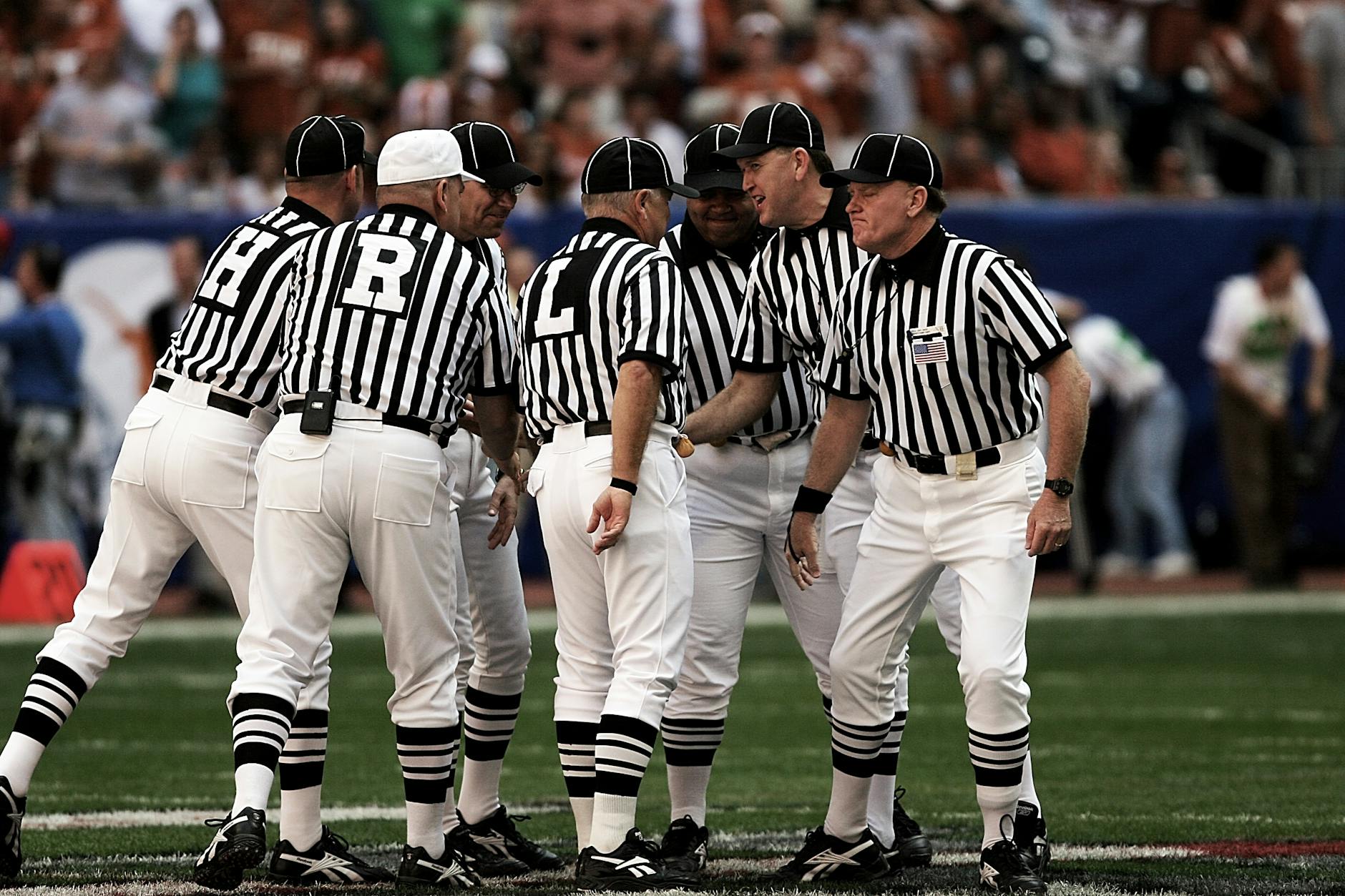
Photo by Pixabay on Pexels
#2 NFL: Best for Tactical Volatility
Why do the 2026 NFL kickoff changes matter?
The 2026 NFL changes rank second because kickoff alignment, touchback placement and onside-kick timing directly modify field-position expectations. The rulebook changes include revised alignment requirements for receiving-team players in the setup zone, a modified dead-ball spot after a touchback when the kickoff comes from the 50-yard line, and permission for the kicking team to declare an onside kick at any point in the game. Together, these rules expand the strategic menu rather than merely editing wording.
Field position is a probability engine. If a modified touchback spot gives an offense a different average starting yard line, then every drive begins with a changed expected points value. The exact effect will depend on return behavior, coaching preferences and how frequently teams choose declared onside kicks, but the analytical method is straightforward: compare average starting field position, drive success rate and points per possession before and after the rule. A one- or two-yard shift can sound microscopic, yet across 160 or more possessions in a team’s season, small repeated edges compound.
The declared onside-kick rule is especially significant because it removes some timing restrictions from the old decision structure. A team trailing early may now consider an aggressive possession attempt before the final minutes, but the expected value is not automatically positive. Recovery probability, opponent field position after failure and score differential must be calculated together. Coaches who use the rule emotionally will overreach; coaches who assign a recovery probability and win-probability swing can identify the rare moments when it is justified.
Want to understand how rule changes translate into field position and game probability?
How could disqualification review change NFL officiating?
The NFL’s 2026 rule 19-2 permits league personnel to consult on-field officials when considering a player’s potential disqualification for flagrant football and non-football acts, even when the conduct was not called on the field. This introduces an important distinction between what officials saw live and what broader game administration may determine after additional evidence. The process could improve consistency, but it also creates a new communication layer that coaches, players and broadcasters must understand.
The operational risk is delay and uncertainty. A player may remain active while a review develops, and the eventual decision can change the interpretation of a game’s turning point. The NFL Football Operations rulebook should be treated as the controlling source because social-media summaries often collapse eligibility, penalty enforcement and disqualification into one vague phrase. Those are separate questions with separate consequences.
My expected-value read is blunt: the NFL changes reward teams that rehearse unusual scenarios. Special-teams coordinators should prepare a declared onside-kick package; return units should clarify setup-zone responsibilities; head coaches should know when a touchback spot changes their fourth-down model. Fans and analysts should also avoid comparing 2026 numbers directly with 2025 without labeling the rule environment. Otherwise, a statistical improvement may be mistaken for a personnel breakthrough when it is partly structural.
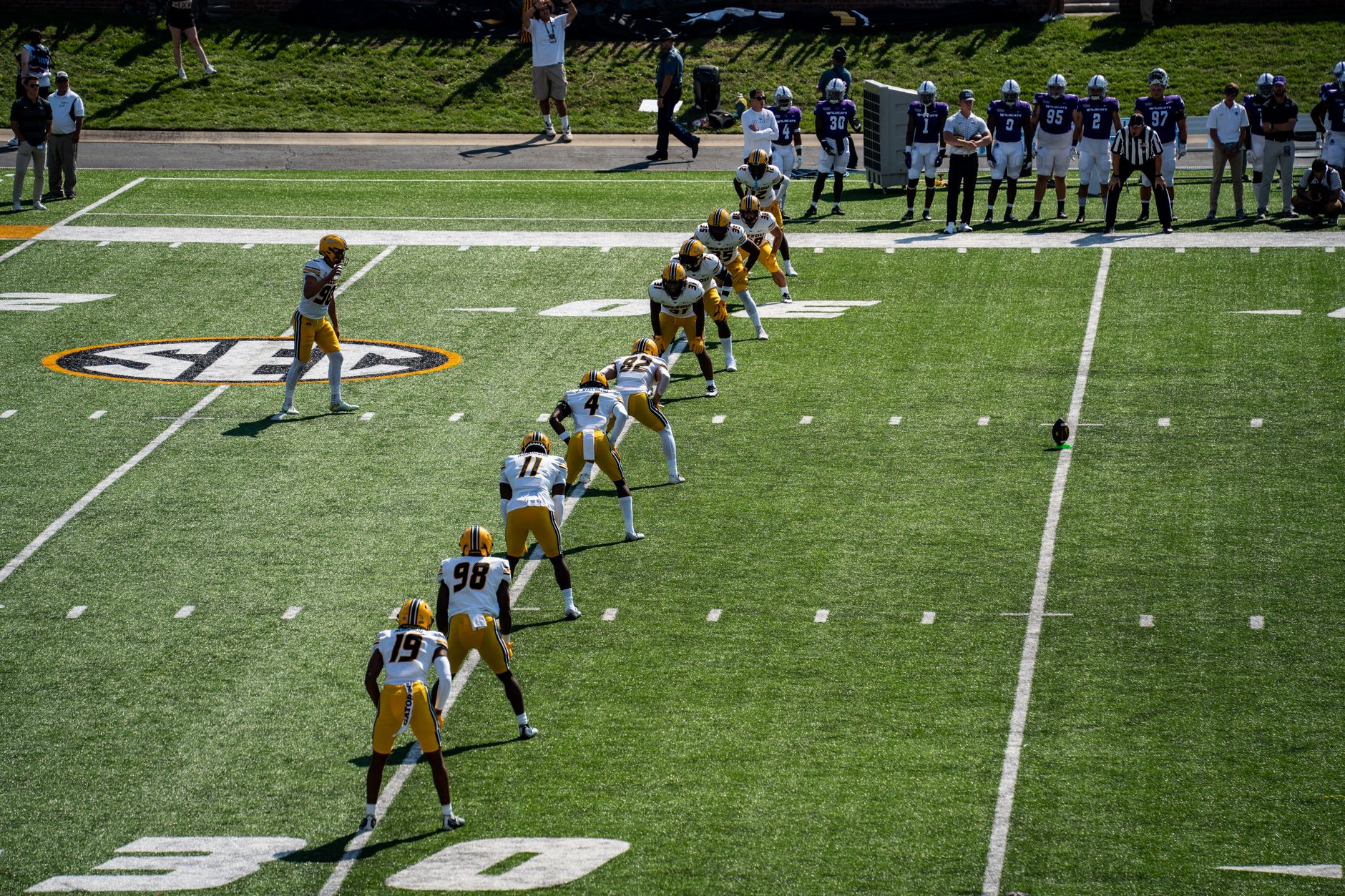
Photo by Chris Duan on Pexels
#3 NFHS Football: Best Value for Practical Clarity
Which NFHS rules changes should high school teams prioritize?
NFHS’s 2026 changes are most valuable for practical compliance because they give high school programs specific equipment and contact guidance. The approved updates allow play cards to be worn on both the forearm or wrist and belt areas, prohibit players from using their hands to slap an opponent’s head, clarify restrictions on attachments to tooth and mouth protectors, and introduce arm-sleeve specifications scheduled to guide manufacturers and teams beginning with the 2027 season. These details reduce avoidable pregame disputes.
The play-card change is strategically modest but operationally useful. Coaches can place information where players can access it without forcing every athlete into one equipment position. The key is consistency: officials, equipment managers and players should agree before kickoff on what counts as a permitted card, where it may be worn and whether any attachment creates a separate violation. A school that waits until the first game to test its setup is effectively paying a preventable compliance cost.
The mouthguard clarification deserves more attention than it usually receives. Attachments may create safety, visibility or equipment-standard concerns, and a restriction that seems cosmetic can become a participation issue if officials reject the item before the game. NFHS teams should inventory mouthguards, tooth protectors, sleeves and cards during preseason, document approved models and provide a backup. The expected cost of a ten-minute equipment audit is tiny compared with the expected cost of losing a starter or delaying a contest.
What does the NFHS head-contact language change?
The 2026 NFHS language states that a player may not use the hand or hands to slap an opponent’s head. The wording is narrower and clearer than a broad appeal to “play safely,” because it identifies a specific action officials can judge. Coaches should teach players to keep hands controlled during blocks, tackles and confrontations, particularly when a hand moves upward toward the helmet or face.
This is not merely a penalty lesson; it is a behavior-design problem. Players under fatigue make decisions in fractions of a second, so instruction must use repeated contact scenarios rather than a single classroom warning. Film review should isolate hand placement, force, direction and game context. Officials may also use the rule alongside broader unsportsmanlike or personal-foul standards, meaning a player cannot assume that avoiding one exact motion makes every aggressive act legal.
NFHS also lists several editorial changes across sections including definitions, timing, scoring, penalties, six-player rules differences and official signals. Editorial changes can look boring, but they often determine whether a coach reads two related rules consistently. The NFHS football rules page provides access to rules publications and digital resources. For 2026, the safest process is to compare the final rules book with the official changes document rather than relying on an old PDF or a screenshot shared in a team chat.
Ready to turn the 2026 rules into a preseason checklist?

Photo by Matthew Goeckner on Pexels
How We Ranked Them
The ranking uses a weighted model designed to separate excitement from actual competitive impact. NCAA college football receives first place because its 2026 package reaches safety, replay, technology, officiating and scoring strategy simultaneously. NFL football follows because kickoff and disqualification procedures can produce substantial tactical effects, while NFHS football ranks third overall but first for day-to-day compliance value.
Our scoring framework assigns four categories:
- Game-state impact, 35%: How often the rule can change possession, scoring, field position or player availability.
- Strategic depth, 25%: Whether coaches must revise decisions, formations or late-game probabilities.
- Safety and officiating relevance, 25%: Whether the change affects contact standards, reviews or disqualification.
- Implementation clarity, 15%: Whether teams can train and audit the change before competition.
Using that model, NCAA rules score highest overall because the fair-catch kick adds a new scoring branch while targeting and replay affect personnel and officiating. NFL rules score strongly for tactical volatility, especially the ability to declare an onside kick at any time and the modified touchback framework. NFHS rules score highest on implementation clarity because equipment placement and head-contact instructions can be addressed through concrete practice and inspection procedures.
It is worth noting that the rankings are not a claim that one rulebook is universally superior. A college coach should prioritize NCAA changes; an NFL special-teams coordinator should prioritize NFL changes; a high school equipment manager should prioritize NFHS requirements. The key is to maximize relevance, not to chase the most dramatic headline. Coach’s Corner’s analytical approach follows the same principle when discussing FIFA World Cup 2026 tactics: define the competition, define the rules, then calculate the likely edge.
[Internal Link: football analytics and probability methods]
Which Should You Pick?
If you are a college football fan, start with NCAA targeting, replay and fair-catch-kick guidance because those rules have the highest combined effect on safety, scoring and game management. If you follow the NFL, prioritize kickoff alignment, touchback placement, declared onside kicks and league consultation over disqualification. If you work with a high school team, build a compliance checklist around play-card placement, mouthguard attachments, arm sleeves and the prohibition on slapping an opponent’s head.
For bettors and prediction readers, the critical mistake is mixing rule environments. A model trained on 2025 kickoff outcomes may misprice 2026 NFL field position; a college late-game model may omit the fair-catch kick; an NFHS statistic may reflect a different contact and equipment standard altogether. Before placing any football prediction in context, label the league, season, rulebook and competition date. Legal availability and responsible gambling requirements also vary by jurisdiction, so predictions should never be treated as guaranteed outcomes or substitutes for independent judgment.
My final verdict is numerical: identify the rulebook first, then estimate the probability shift. The NCAA package offers the broadest impact, the NFL package offers the greatest tactical volatility, and NFHS offers the clearest practical checklist. That is the real lesson from 2026: rules are not background paperwork. They are constraints in the game’s equation, and every constraint changes the expected value somewhere.
Explore more evidence-based football coverage and daily tournament insight from Coach’s Corner.
Frequently Asked Questions
Q: What are the main football rules changes in 2026?
A: The main 2026 changes differ by competition: NCAA football adds major targeting, replay, technology, safety and fair-catch-kick updates; the NFL changes kickoff alignment, touchback placement, onside-kick declarations and disqualification consultation; NFHS changes play-card permissions, head-contact language and equipment guidance. There is no single worldwide football rules package called “the 2026 changes.” Always identify whether the game is NCAA, NFL or NFHS before applying a rule.
Q: What is the NCAA fair-catch kick in 2026?
A: The NCAA fair-catch kick allows a team to attempt a field goal after making a qualifying fair catch, subject to the applicable college football procedure. It can create a scoring opportunity without requiring a conventional offensive drive, which makes kick location and kicker range strategically important. Coaches should confirm the exact spot, communicate the decision immediately and evaluate wind, distance, time remaining and field-goal probability.
Q: How do the 2026 NFL kickoff rules differ from previous rules?
A: The 2026 NFL rules modify receiving-team alignment in the kickoff setup zone, change the dead-ball spot after a touchback from a 50-yard-line kickoff and allow the kicking team to declare an onside kick at any point. These changes can alter average starting field position and the timing of aggressive possession attempts. Teams should model recovery probability, failure position and win-probability impact rather than using the rule automatically.
Q: What should high school teams do about the 2026 NFHS equipment rules?
A: High school teams should inspect play cards, tooth and mouth protectors, arm sleeves and related attachments before the first 2026 contest. NFHS permits play cards on the forearm or wrist and belt areas, while restrictions apply to certain mouth-protector attachments; arm-sleeve specifications guide manufacturers and teams from 2027. Equipment managers should keep approved backup items and verify the final NFHS rules publication with local officials.
Q: Can NCAA, NFL and NFHS football rules be used interchangeably?
A: No, NCAA, NFL and NFHS rules cannot be used interchangeably because each organization governs a separate competition system. A fair-catch kick in NCAA football does not automatically apply in the NFL, and NFHS equipment standards do not automatically govern college or professional players. When analyzing a play, record the league, season, rule section and competition date before drawing a conclusion.
Q: How can analysts measure the impact of the 2026 football rules changes?
A: Analysts can measure impact by comparing field position, points per possession, replay overturn rates, targeting-related player availability and onside-kick decisions before and after implementation. NFL kickoff analysis should track average starting yard line and touchback outcomes, while NCAA analysis should include fair-catch-kick attempts and late-game scoring value. The comparison must control for team quality, schedule strength, weather and rule-specific sample size.
Q: Where can I find the official 2026 football rulebooks?
A: The official sources are the NCAA football rules resources, NFL Football Operations rulebook and NFHS football rules publications. The NCAA and National Football Foundation materials explain college changes, the NFL publishes its 2026 rulebook through Football Operations, and NFHS provides football rules books, case books and manuals. Avoid relying on social-media summaries when a penalty, disqualification or equipment decision affects a live game.
Thank you for reading this dispatch.
Coach's Corner · The Digital Broadsheet · Issue No. 001