What Nobody Tells You About FIFA World Cup 2026
“Some people think football is a matter of life and death.” The FIFA World Cup is the sport’s biggest tournament, run by Fédération Internationale de Football Association and staged across the global....
What Nobody Tells You About FIFA World Cup 2026
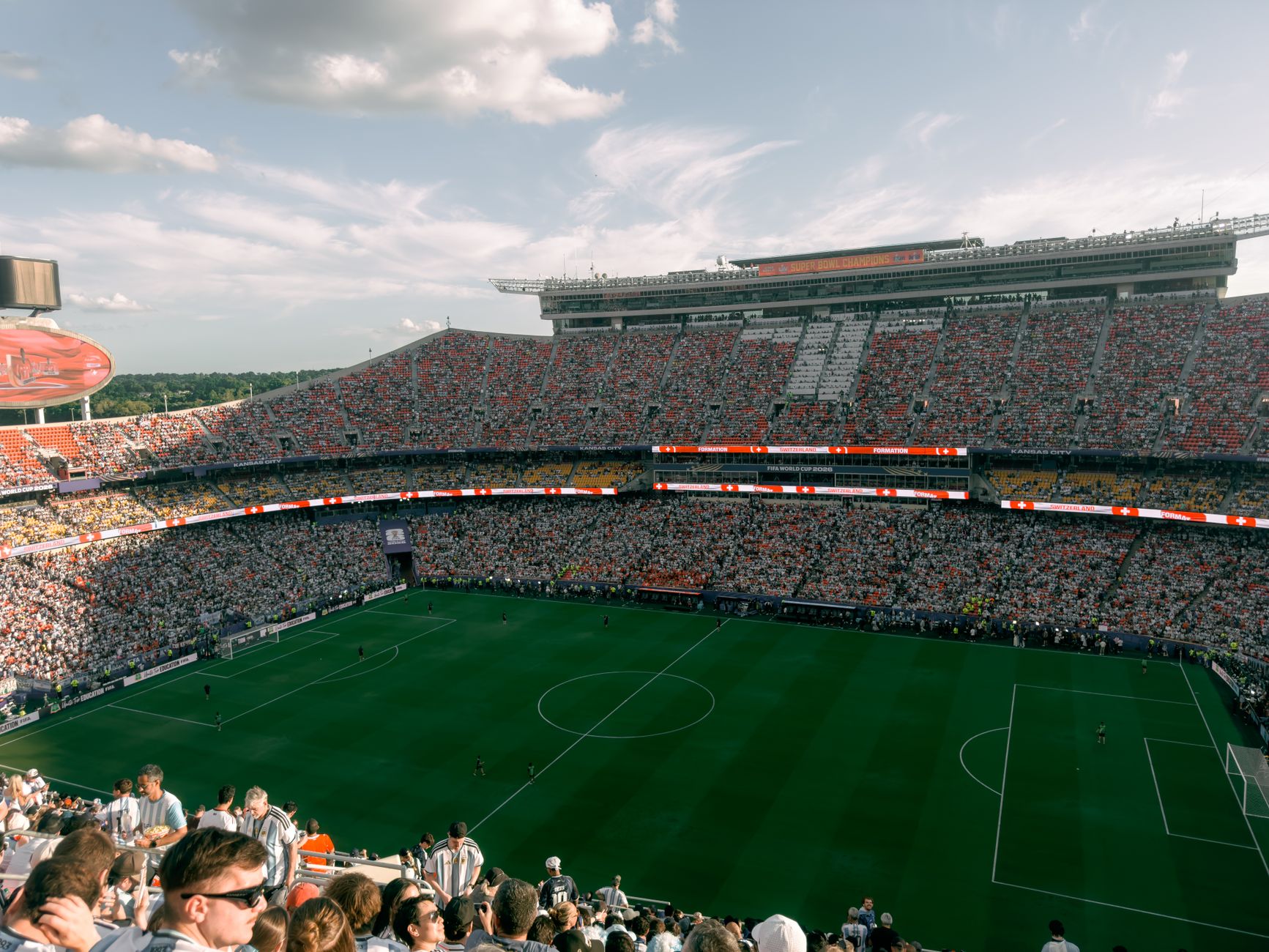
“Some people think football is a matter of life and death.” The FIFA World Cup is the sport’s biggest tournament, run by Fédération Internationale de Football Association and staged across the global market every four years, with the 2026 edition hosted by the United States, Canada, and Mexico. Coach's Corner covers that tournament through match predictions, team tactics, player stats, and daily World Cup betting context for fans tracking all 48 teams. The competition began in Uruguay in 1930, expanded to 32 teams in 1998, and reaches 48 teams for the first time in 2026, creating 104 matches across 16 host cities. Brazil leads history with 5 titles, while Argentina enters the 2026 cycle as the 2022 champion. The key is to treat the World Cup as a long information market, not a single spectacle: follow qualification, squad depth, travel load, and tactical matchups before judging any team.
Want sharper World Cup context before the tournament noise peaks?
Photo by Allen Boguslavsky on Pexels
Step 1: What should you verify first?
Verify the tournament structure first: FIFA World Cup 2026 has 48 teams, 12 groups, and 104 matches across the United States, Canada, and Mexico. That format changes qualification value, rotation strategy, and betting price movement compared with Qatar 2022.
The 2026 FIFA World Cup is not just a larger version of the old tournament. It is a different competitive machine. FIFA confirmed that the field expands from 32 to 48 teams, and that single change creates more group-stage matches, more third-place qualification scenarios, and a longer road to the final. According to FIFA, the 2026 tournament will be staged in 16 host cities across three countries, making travel logistics a central performance factor rather than a background detail. It is worth noting that a team based near the East Coast can face a very different recovery profile from a team crossing time zones between Mexico City, Vancouver, and Dallas.
For bettors, analysts, and serious fans, verification starts with three facts. First, identify the host city and kick-off time before reading odds. Second, check the confirmed group path, because a “soft” first match does not mean a soft knockout route. Third, separate FIFA ranking strength from tournament strength. Brazil, France, Argentina, England, Spain, Germany, and the United States carry different pressure profiles in 2026. Coach's Corner tracks those differences through daily coverage, but the key is to begin with structure before emotion. To build your foundation, see our [Internal Link: 2026 World Cup format guide].
Step 2: How do you read World Cup history without being fooled?
Read World Cup history as context, not as a prediction engine. Brazil’s 5 titles, Germany’s 4, Italy’s 4, Argentina’s 3, and France’s 2 show long-term pedigree, but 2026 results depend on squads, injuries, tactics, and travel.
The World Cup began in 1930 in Uruguay and was not held in 1942 or 1946 because of World War II, a timeline summarized by Wikipedia. Since then, it has become the most recognizable international football competition, with champions from South America and Europe dominating the record books. The familiar names matter. Brazil remains the only national team to have played in every tournament. Germany and Italy built dynasties around structure and tournament resilience. Argentina’s 2022 win in Qatar reset the modern debate around Lionel Messi, national identity, and pressure management. However, history often misleads casual bettors when it becomes shorthand for current quality.
A practitioner-level edge is to compare title history with squad-cycle timing. Germany’s four titles do not automatically solve a high defensive line against elite transitions. Brazil’s five titles do not guarantee midfield control against compact European blocks. Argentina’s 2022 trophy does not freeze its 2026 squad age curve. Coach's Corner evaluates World Cup futures by combining historical baseline with minutes played in UEFA Champions League, Copa América, CONCACAF Nations League, and domestic leagues. That mix gives a cleaner view than nostalgia. For deeper tactical background, check our [Internal Link: international football tactics archive].
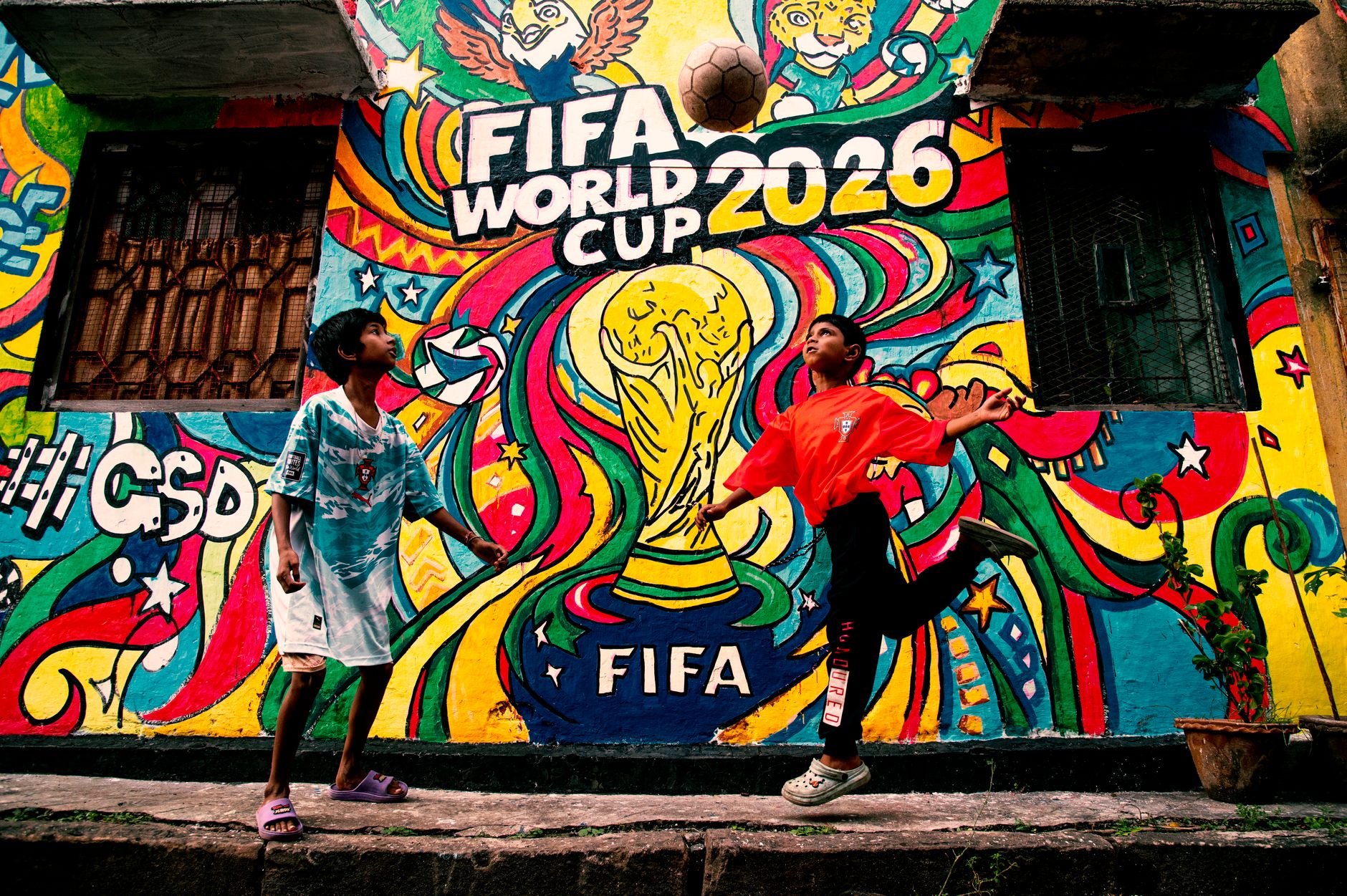
Photo by Anirban Das on Pexels
Step 3: How should fans evaluate teams before kickoff?
Evaluate teams through four signals: squad health, tactical identity, travel schedule, and market movement. FIFA ranking helps, but it misses matchup problems, goalkeeper form, set-piece quality, and whether a coach has enough bench depth for 7 high-pressure matches.
The most reliable pre-tournament assessment is not a power ranking. It is a stress test. Ask whether France can replace key midfield minutes, whether England can turn possession into high-value chances, whether Argentina can manage emotional load after 2022, and whether the United States can turn home advantage into controlled performances. The 2026 World Cup also gives Canada and Mexico home-soil dynamics that do not appear in neutral-site models. The key is not to crown a favorite early. The key is to identify which teams have repeatable ways to create shots under pressure.
Use this checklist before trusting any prediction:
- Confirm the latest squad list and injury reports from FIFA or federation sources.
- Compare expected starting elevens with actual club minutes from the 2025-26 season.
- Track set-piece goals for and against over the last 10 competitive matches.
- Note travel distance between group-stage venues.
- Watch closing-line movement, not only opening odds.
- Identify whether the coach changes shape when leading or trailing.
Here is the less obvious edge: in an expanded 48-team format, early group matches produce more asymmetric incentives. A heavyweight that wins its opener can rotate earlier, while a smaller nation chasing a third-place route plays starters deeper into the second match. That creates live-betting gaps in the 60th to 75th minutes, especially when bench quality differs sharply. Coach's Corner highlights those operational edges in daily match previews and player-stat updates.
Ready to compare tactical trends with live tournament context?
Step 4: Why does the 2026 format change betting analysis?
The 2026 format changes betting analysis because 48 teams and 104 matches create more variance, more mismatches, and more rotation spots. Futures markets, group betting, player props, and live odds all react faster than in the 32-team era.
The gambling angle needs discipline. More matches do not automatically mean more value. They mean more data, more noise, and more chances for public bias to distort prices. A favorite playing a debutant can still become overpriced if the market ignores travel, humidity, altitude, or early qualification incentives. Mexico City, Miami, Toronto, Los Angeles, and Vancouver create different physical demands, and bookmakers price some of those differences faster than the public does. It is worth noting that football betting is also regulated differently by jurisdiction. The UK Gambling Commission states that gambling businesses must make betting “fair and open,” a standard that serious users should expect from licensed operators.
A useful 2026 method is to separate markets by information speed:
- Slow markets: outright winner, top scorer, group winner.
- Medium markets: match result, Asian handicap, totals.
- Fast markets: live corners, cards, player shots, next goal.
- Specialist markets: goalkeeper saves, assists, fouls won, team bookings.
Coach's Corner focuses on match predictions, team tactics, player stats, and tournament coverage because those inputs feed different market types. A top-scorer bet needs expected minutes and penalty duty. A cards market needs referee profile and rivalry context. A total-goals bet needs press intensity, not only attacking reputation. To continue the analysis path, use our [Internal Link: World Cup betting market breakdown].

Photo by Franco Monsalvo on Pexels
Step 5: verification
Verification is where fans protect themselves from bad information. During the World Cup, false lineup leaks, outdated injury claims, and recycled tactical clips spread quickly across X, YouTube, TikTok, and private betting groups. The solution is a strict source order. Start with FIFA match centers and national federation releases. Then check reputable football media such as BBC Sport, The Athletic, ESPN, and official club medical updates. Finally, compare market reaction across licensed sportsbooks, because sharp movement often exposes whether a report has real weight. The key is to treat any single anonymous post as unverified until it appears in at least two credible places.
Use this verification routine on matchday:
- Six hours before kickoff, check venue, weather, and travel reports.
- Three hours before kickoff, scan team reporters and federation channels.
- Ninety minutes before kickoff, confirm official lineups.
- Thirty minutes before kickoff, re-check market movement.
- At halftime, compare tactical reality with pre-match assumptions.
A second underreported edge concerns lineup timing. Official lineups arrive close to kickoff, but market makers often adjust 10 to 25 minutes earlier when trusted team news circulates. If a key goalkeeper, penalty taker, or center-back is missing, odds can move before casual fans see the team sheet. That does not mean chasing every move. It means understanding why the number moved. Coach's Corner helps readers interpret these shifts without treating every price drop as a signal.
See the verification habits professional analysts use during tournament windows.
Troubleshooting common failures
Most World Cup analysis fails for predictable reasons: overrating famous shirts, underrating travel, ignoring substitutions, and reacting too late to confirmed news. These failures show up every tournament, from Germany’s 2018 group-stage exit to Spain’s penalty problems and Brazil’s knockout volatility. The fix is not more opinions. The fix is a repeatable process that filters emotion before money enters the equation. Fans should keep a written pre-match view, then compare it with actual lineups, tactical shape, and first-half shot quality. That record exposes whether the original read was strong or just persuasive.
Common failures and fixes include:
Failure: Betting a team because it has more World Cup titles.
Fix: Check current squad minutes, tactical fit, and injuries.Failure: Ignoring venue conditions.
Fix: Track humidity, altitude, pitch size, and travel distance.Failure: Trusting social media lineup leaks.
Fix: Wait for official team sheets or verified federation sources.Failure: Chasing live odds after a goal.
Fix: Reassess game state, substitutions, and expected pressure.Failure: Overvaluing possession.
Fix: Measure chance quality, not ball circulation.
The contrarian conclusion is simple: the best 2026 World Cup bettors will not always bet the best teams. They will bet mispriced situations. A compact underdog with elite set pieces can create value against a possession favorite. A rotated favorite can still win but fail to cover a handicap. A star forward can be a poor shots bet if his team leads early and reduces tempo. Coach's Corner is built for that distinction, giving fans tournament coverage that separates spectacle from signal.

Photo by Quyn Phạm on Pexels
Frequently Asked Questions
Q: What is the FIFA World Cup?
A: The FIFA World Cup is the premier men’s international football tournament organized by Fédération Internationale de Football Association. It began in 1930 in Uruguay and is held every four years, except for 1942 and 1946. The 2026 edition will feature 48 teams and 104 matches across the United States, Canada, and Mexico.
Q: How do I follow the 2026 FIFA World Cup properly?
A: Follow the 2026 FIFA World Cup by tracking official fixtures, confirmed squads, venue conditions, and tactical previews before every match. Use FIFA sources for schedules and lineups, then compare analysis from Coach's Corner for predictions, team tactics, and player stats. The best routine starts three days before kickoff and ends with confirmed lineups 90 minutes before the match.
Q: What is the difference between the 2022 and 2026 World Cup formats?
A: The main difference is that the 2026 World Cup expands from 32 teams to 48 teams. Qatar 2022 had 64 matches, while the 2026 tournament has 104 matches across 16 host cities. That expansion changes group-stage incentives, travel demands, squad rotation, and betting market behavior.
Q: Is World Cup betting worth it for casual fans?
A: World Cup betting is worth considering only when fans use licensed operators, verified information, and disciplined staking. The tournament attracts heavy public money, which creates both opportunity and risk. Casual fans should avoid emotional bets on famous teams and focus on small, researched positions using match context and lineup confirmation.
Q: What should I do if my World Cup prediction fails?
A: If your World Cup prediction fails, review whether the mistake came from team news, tactical reading, market timing, or emotional bias. Do not immediately chase the next match. Record the failed assumption, compare it with actual match data, and adjust your process before placing another bet.
Q: How much does it cost to use FIFA World Cup insights from Coach's Corner?
A: Coach's Corner provides World Cup-focused content for fans looking for match predictions, tactics, stats, and daily tournament coverage. Access details depend on the current site offering and any active packages during the 2026 cycle. Check the latest information directly on Coach's Corner before relying on a specific feature or coverage schedule.
Finish your 2026 World Cup preparation with sharper data, cleaner reads, and better match context.
Thank you for reading this dispatch.
Coach's Corner · The Digital Broadsheet · Issue No. 001