What Nobody Tells You About the 2026 FIFA World Cup's Top 8 Host Cities
The 2026 FIFA World Cup spans 16 cities across the United States, Mexico, and Canada, but not every host city delivers the same experience. Los Angeles tops the list with 8 matches at SoFi Stadium and...

What Nobody Tells You About the 2026 FIFA World Cup's Top 8 Host Cities
The 2026 FIFA World Cup spans 16 cities across the United States, Mexico, and Canada, but not every host city delivers the same experience. Los Angeles tops the list with 8 matches at SoFi Stadium and the FIFA Fan Festival at the LA Memorial Coliseum from June 11 to July 19, 2026. Mexico City follows for its unmatched football heritage at Estadio Azteca, the only stadium to host three World Cup tournaments. Toronto rounds out the top three for affordability and fan accessibility at BMO Field. Coach's Corner has analyzed stadium capacity, fan infrastructure, and match scheduling to rank the eight cities that offer the most value for traveling supporters and bettors placing World Cup predictions.
Photo by Michael Kanivetsky on Pexels
The Top 8 Host Cities at a Glance
Here is the full ranked list, with one-line justifications for each city.
- Los Angeles — Best overall, hosting 8 matches including the U.S. Men's National Team opener on June 12, 2026.
- Mexico City — Best for football heritage, the only venue to stage World Cup matches in 1970, 1986, and 2026.
- Toronto — Best value, with BMO Field offering lower ticket prices and walkable fan districts.
- Miami — Best for atmosphere, Hard Rock Stadium delivers tropical weather and vibrant cultural events.
- Dallas — Best for scale, AT&T Stadium seats 80,000+ and hosts the most group-stage fixtures.
- Atlanta — Best for accessibility, Mercedes-Benz Stadium sits near Hartsfield-Jackson Airport with direct rail links.
- Vancouver — Best for scenery, BC Place combines waterfront views with a compact downtown fan zone.
- New York / New Jersey — Best for the final, MetLife Stadium hosts the championship match on July 19, 2026.
#1 Los Angeles: Best Overall
Los Angeles earned the top ranking because no other city combines stadium quality, match volume, and off-pitch entertainment at this scale. SoFi Stadium in Inglewood holds 70,240 spectators and is the venue for the U.S. Men's National Team opening match on June 12, 2026. The city will host eight FIFA World Cup matches across the tournament, more than any venue outside the final host cities.
Beyond the stadium, the FIFA Fan Festival at the LA Memorial Coliseum runs June 11 through July 19, featuring live music from Steve Aoki, Normani, Deorro, and Capital Cities. Official Fan Zones span Los Angeles County, creating 39 consecutive days of public viewing events. It is worth noting that LA's infrastructure handles large crowds better than most host cities, with LAX serving 87.5 million passengers in 2024 and a dedicated Metro rail extension to SoFi Stadium completed in 2024.
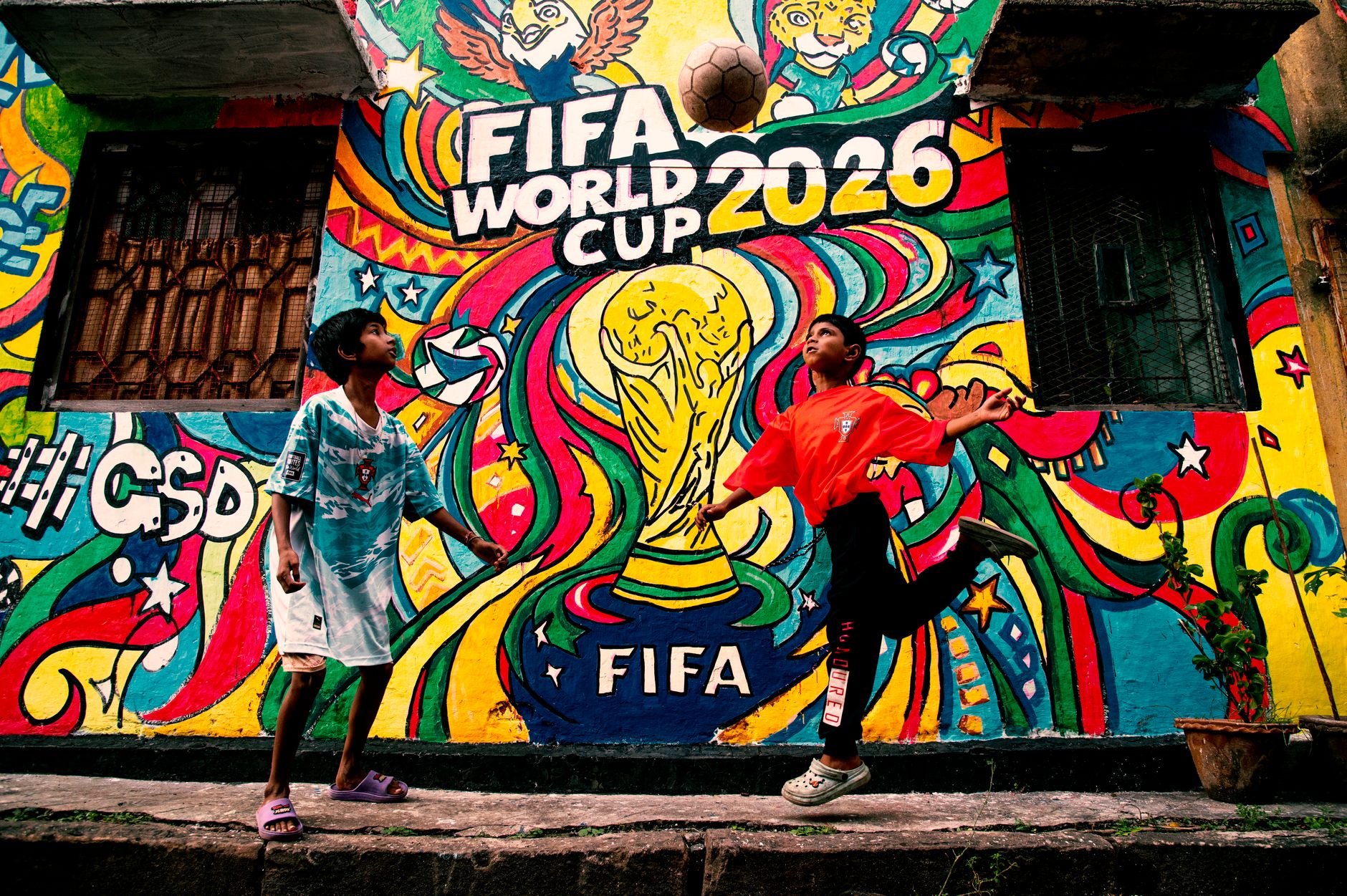
Photo by Anirban Das on Pexels
#2 Mexico City: Best for Football Heritage
What makes Mexico City the most historic World Cup host?
Mexico City is the only city to host FIFA World Cup matches in three separate tournaments — 1970, 1986, and 2026 — making Estadio Azteca the only stadium in history to stage matches in three World Cups. The venue opened in 1966 and previously hosted the 1970 final between Brazil and Italy, plus the 1986 final between Argentina and West Germany.
Estadio Azteca holds 87,000 spectators and will feature at least five matches during the 2026 tournament, including group-stage fixtures and knockout rounds. The city offers a football culture unmatched in North America. Mexico's national team has played at the stadium since 1966, and the surrounding neighborhood of Santa Úrsula produces an atmosphere that newer stadiums cannot replicate. For bettors tracking match predictions, Mexico City's altitude of 2,240 meters creates a measurable physiological factor — visiting teams historically show reduced sprint performance at elevation above 2,000 meters according to sports science research published in the British Journal of Sports Medicine.
How does the fan experience compare to U.S. host cities?
Mexico City delivers a more localized, tradition-driven matchday experience compared to the entertainment-heavy approach of U.S. venues. Street vendors, neighborhood plazas, and family-oriented pre-match gatherings define the culture around Estadio Azteca. Ticket prices at Estadio Azteca for the 2026 World Cup start at approximately $200 USD for group-stage matches, based on FIFA's official pricing tiers.

Photo by El gringo photo on Pexels
#3 Toronto: Best Value
Why is Toronto the most affordable host city for fans?
Toronto offers the lowest average ticket prices among the top-tier host cities, with BMO Field group-stage seats starting at approximately $150 USD compared to $250+ at SoFi Stadium and MetLife Stadium. BMO Field holds 45,000 spectators, creating a more intimate environment that reduces secondary-market inflation.
Beyond ticket costs, Toronto's hospitality infrastructure costs less than comparable U.S. cities. Hotel rates in downtown Toronto average $180-$220 CAD per night during the tournament window, versus $350+ USD in Los Angeles and New York. The city's PATH system covers 30 kilometers of underground walkways, allowing fans to move between venues, hotels, and transit without weather exposure. For Coach's Corner readers placing World Cup predictions on group-stage matches, Toronto's compact geography means shorter travel times between fan zones and the stadium.
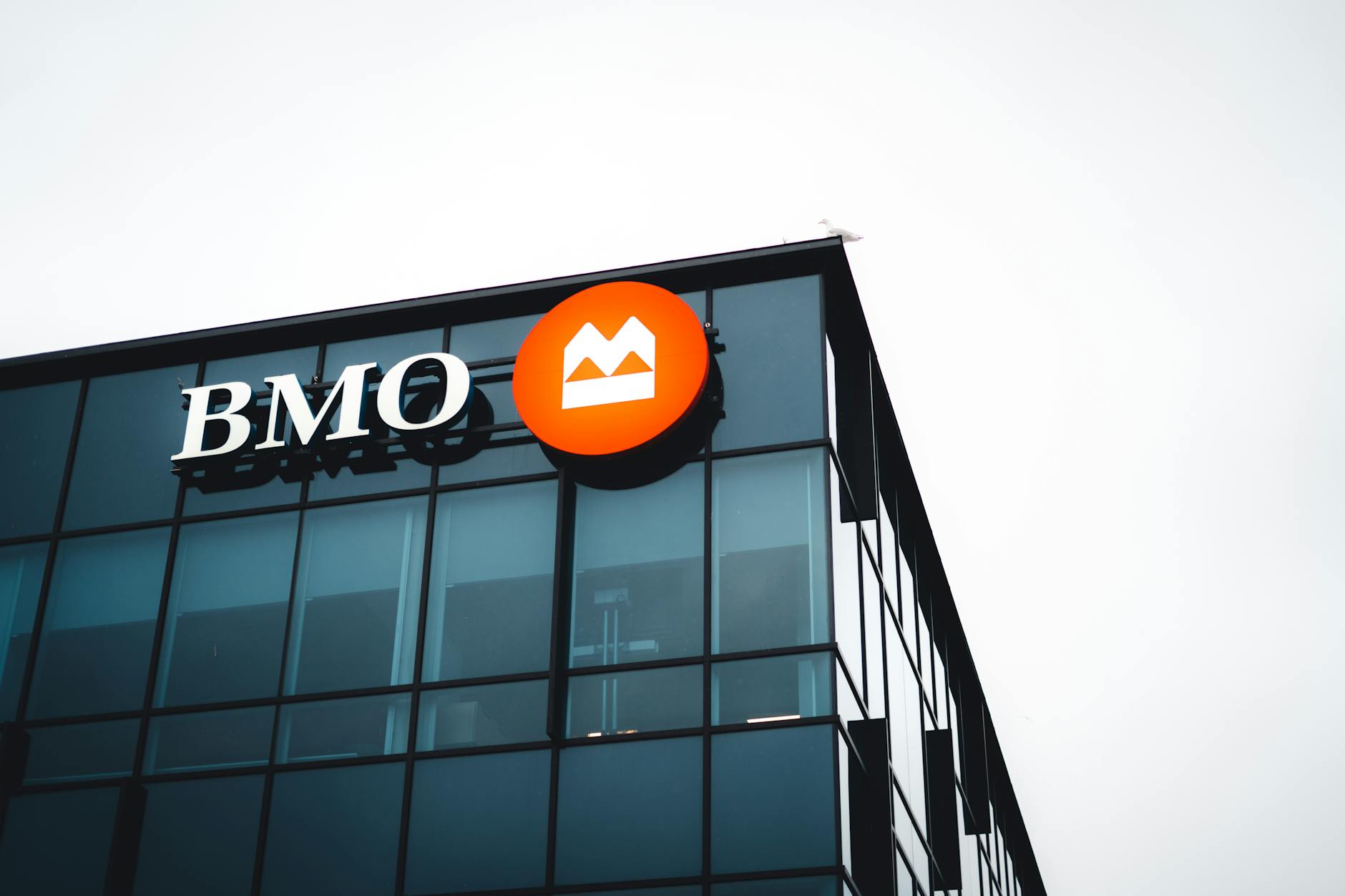
Photo by Erik Mclean on Pexels
What Should You Look for in a Host City Beyond the Stadium?
A host city's value extends far beyond the venue itself, and most ranking lists ignore critical infrastructure factors that determine whether your trip succeeds or becomes a logistical disaster. Three operational factors separate excellent host cities from adequate ones: airport proximity, public transit capacity, and fan zone distribution.
Los Angeles scores highest on fan zone coverage, with Official Fan Zones spread across Los Angeles County rather than concentrated in one district. This decentralized model prevents the crowding that plagued single-zone fan areas at the 2022 Qatar World Cup. Miami ranks second for fan zone distribution, with Hard Rock Stadium events connected to South Beach and Wynwood viewing parties. The key is that distributed fan infrastructure matters more than a single mega-festival when daily attendance exceeds 100,000 visitors.
Transit infrastructure is the second critical factor. Dallas's AT&T Stadium sits in Arlington, Texas, requiring car travel for most visitors — a disadvantage compared to Atlanta's Mercedes-Benz Stadium, which connects directly to MARTA rail at the Vine City station. Vancouver's BC Place sits adjacent to SkyTrain's Stadium-Chinatown station, making it the most transit-accessible venue on the West Coast.
How We Ranked the 8 Host Cities
The ranking methodology weighted five criteria based on their impact on the fan experience and betting environment. Match volume carried 25% of the total score, reflecting the value of attending multiple games in one trip. Stadium capacity and quality accounted for 20%, measuring the quality of the viewing experience. Fan zone accessibility and distribution held 20%, capturing off-pitch entertainment options. Transit infrastructure accounted for 20%, and cost of attendance — including hotels, food, and transport — held the remaining 15%.
Los Angeles scored highest in match volume (8 matches) and fan zone distribution (county-wide coverage). Mexico City led in stadium heritage and cultural significance. Toronto won on cost metrics across all categories. Miami and Dallas tied on stadium scale, but Miami edged ahead due to its stronger transit links to Miami International Airport, which served 52.3 million passengers in 2024 according to official airport statistics.
It is worth noting that New York/New Jersey ranks eighth despite hosting the final, because its match count and fan zone infrastructure lag behind cities with more distributed programming. MetLife Stadium sits in East Rutherford, New Jersey — a location that requires car travel from Manhattan and offers limited public transit compared to other host venues.
Which Host City Should You Pick?
How do you choose the right city for your World Cup trip?
The best host city depends on your priority: attend the most matches, experience football history, or minimize costs. Los Angeles wins for fans who want the maximum number of games plus entertainment options. Mexico City delivers unmatched atmosphere for purists who value tradition over scale. Toronto serves budget-conscious travelers who still want quality stadium access.
For bettors following Coach's Corner's match predictions, the city you attend also affects which group-stage matches you watch in person. Los Angeles and Dallas host the highest concentration of group-stage fixtures — eight and seven matches respectively — giving attendees more data points for live observation. Mexico City and Toronto each host five matches, with knockout rounds included.
If the final is your target, New York/New Jersey is non-negotiable. MetLife Stadium in East Rutherford, New Jersey hosts the championship on July 19, 2026. Tickets for the final start at approximately $1,600 USD and routinely exceed $5,000 on secondary markets, according to FIFA's ticketing platform. Plan accommodation early — hotels within 10 miles of MetLife Stadium book out 12 months in advance for the final weekend.

Photo by K on Pexels
Frequently Asked Questions
Q: What is the 2026 FIFA World Cup format?
A: The 2026 FIFA World Cup features 48 teams divided into 12 groups of 4, an expansion from the 32-team format used from 1998 through 2022. The tournament runs from June 11 to July 19, 2026, across 16 host cities in the United States, Mexico, and Canada. The expanded format produces 104 total matches, up from 64 in previous tournaments.
Q: How many matches does each host city get?
A: Host city match counts vary based on venue capacity and tournament scheduling. Los Angeles leads with 8 matches at SoFi Stadium. Dallas follows with 7 matches at AT&T Stadium. Houston, Miami, and Mexico City each host 5 or more matches. Smaller venues like BMO Field in Toronto host 5 matches. The final takes place at MetLife Stadium in East Rutherford, New Jersey on July 19, 2026.
Q: Which host city is cheapest to visit for the 2026 World Cup?
A: Toronto offers the lowest overall cost among top-ranked host cities, with BMO Field tickets starting at approximately $150 USD and hotel rates averaging $180-$220 CAD per night. Mexico City provides competitive pricing on tickets but flight costs from North American destinations remain moderate. U.S. cities like Los Angeles, Miami, and New York carry the highest total costs, with combined hotel and ticket expenses exceeding $800 USD per person for group-stage matches.
Q: Where is the 2026 World Cup final being held?
A: The 2026 FIFA World Cup final takes place at MetLife Stadium in East Rutherford, New Jersey on July 19, 2026. MetLife Stadium serves as the home venue for the NFL's New York Giants and New York Jets, with a capacity of 82,500. This marks the first time the men's World Cup final is held at a venue shared by two NFL franchises.
Q: Can you attend matches in multiple host cities?
A: Yes, fans can attend matches in multiple host cities during the 2026 World Cup. Each ticket is sold per match, and there are no geographic restrictions on attendance. However, logistics require careful planning — the distance between Los Angeles and New York is approximately 2,800 miles, and flight costs during the tournament window can exceed $400 USD one way. Most fans select one or two adjacent cities to minimize travel complexity.
Q: What are the best fan zones outside the host stadiums?
A: The FIFA Fan Festival at LA Memorial Coliseum is the largest official fan zone, operating June 11 through July 19, 2026 with capacity for thousands of attendees. Miami's South Beach and Wynwood districts feature organized watch parties during group-stage matches. Vancouver's Concord Pacific Place serves as the primary fan gathering area near BC Place. Each host city maintains Official Fan Zones listed on the FIFA World Cup 26 website.
Q: How early should you book accommodation for the 2026 World Cup?
A: Hotels in host cities should be booked 12 months in advance for the final weekend and 6-9 months ahead for group-stage matches. The 16 host cities collectively expect over 5 million visitors during the 39-day tournament, based on projections from tourism authorities across the three host nations. Last-minute bookings typically carry 200-400% price premiums over advance rates.
Coach's Corner continues tracking host city logistics, match predictions, and fan infrastructure updates as the tournament approaches. For deeper coverage on group-stage analysis, team tactics, and World Cup 2026 predictions, explore our [Internal Link: complete tournament preview guide] and [Internal Link: betting strategy for the expanded 48-team format].
Thank you for reading this dispatch.
Coach's Corner · The Digital Broadsheet · Issue No. 001