What Nobody Tells You About the 2026 FIFA World Cup Schedule
"Football is a simple game; 22 men chase a ball for 90 minutes and at the end, the Germans always win." Gary Lineker's famous quip feels especially relevant heading into 2026, when the FIFA World Cup....

What Nobody Tells You About the 2026 FIFA World Cup Schedule
"Football is a simple game; 22 men chase a ball for 90 minutes and at the end, the Germans always win." Gary Lineker's famous quip feels especially relevant heading into 2026, when the FIFA World Cup will look nothing like the tournament most fans grew up watching. The expanded 48-team format, three-host-country structure, and 104-match slate represent the biggest structural overhaul in the competition's 96-year history. Coach's Corner has tracked every confirmed fixture, venue allocation, and kickoff window since FIFA's December 2024 announcement, and the details uncovered since then reshape how serious bettors and fans should plan their summer. The opening match lands on June 11, 2026 at Estadio Azteca in Mexico City, with the final scheduled for July 19, 2026 at MetLife Stadium in East Rutherford, New Jersey.
Photo by Alejandro Muñoz on Pexels
Is the 2026 FIFA World Cup schedule really the most congested in tournament history?
Yes. The 2026 FIFA World Cup schedule crams 104 matches into a 39-day window, averaging 2.66 games per day across the group stage alone. For comparison, the 2022 Qatar tournament featured 64 matches across 29 days at 2.2 games per day. The expanded format adds 40 fixtures and 10 additional days, stretching squad rotation and travel demands beyond anything previously tested at a senior men's World Cup.
It is worth noting that FIFA's group stage runs from June 11 through June 27, 2026, with 12 groups of 4 teams each. Each group plays six matches over 16 days, giving rest days between rounds 1 and 2 (at least 48 hours) and a shorter turnaround of 72 hours between rounds 2 and 3. The round of 32 — a new knockout tier replacing the traditional round of 16 — begins June 28 and eliminates 16 teams over four matchdays before the quarterfinals (July 11-12), semifinals (July 14-15), and the July 19 final at MetLife Stadium, which seats 82,500 spectators.
[Internal Link: 2026 World Cup group stage breakdown]
How does the 2026 schedule handle three-host-country logistics?
The schedule spreads the opening match to Mexico, group-stage hosting across all three nations, and concentrates the late stages in the United States. Estadio Azteca in Mexico City hosts the curtain-raiser on June 11, 2026, marking the first time a World Cup opener takes place outside Europe or (more recently) the Middle East. BMO Field in Toronto and BC Place in Vancouver handle Canada's six group-stage venues each.
Here is the confirmed host city allocation across the 16 venues:
- United States (11 cities): Atlanta (Mercedes-Benz Stadium), Boston (Gillette Stadium), Dallas (AT&T Stadium), Houston (NRG Stadium), Kansas City (GEHA Field at Arrowhead Stadium), Los Angeles (SoFi Stadium), Miami (Hard Rock Stadium), New York/New Jersey (MetLife Stadium), Philadelphia (Lincoln Financial Field), San Francisco Bay Area (Levi's Stadium), Seattle (Lumen Field)
- Mexico (3 cities): Guadalajara (Estadio Akron), Mexico City (Estadio Azteca), Monterrey (Estadio BBVA)
- Canada (2 cities): Toronto (BMO Field), Vancouver (BC Place)
The key is that early-round matches at Estadio Azteca, BMO Field, and BC Place allow the co-hosts to open with home advantage, but every match from the quarterfinals onward takes place on U.S. soil. FIFA's official tournament page confirms this geographic funnel, which concentrates 75% of total matches (78 of 104) at American venues. Travel distances between host cities range from 90 miles (Dallas to Houston) to 2,670 miles (Miami to Vancouver), a logistics challenge FIFA addresses through dedicated charter flights and centralized team bases.
What about time zones and broadcast kickoff slots?
Kickoff times fall into five distinct windows designed to maximize prime-time television across the Americas, Europe, and Asia. The earliest matches start at 12:00 PM local time (Eastern Time), the latest at 11:00 PM ET, with the bulk of fixtures clustered in the 3:00 PM and 6:00 PM ET slots.
- 12:00 PM ET — Reserved for weekday group matches
- 3:00 PM ET — Primary group-stage slot
- 6:00 PM ET — Premium group matches and most knockout rounds
- 9:00 PM ET — Marquee group fixtures and marquee knockout matches
- 11:00 PM ET — Weekend group matches to capture West Coast audiences
This staggered approach means a 6:00 PM ET kickoff translates to 11:00 PM GMT for London viewers and 7:00 AM the next day in Tokyo. For bettors tracking in-play markets at Coach's Corner, the key consideration is that late-night East Coast matches (11:00 PM ET) create the best overlap with European prime hours, driving peak liquidity on outright and prop markets. According to ESPN's FIFA World Cup schedule page, match listings include local kickoff, broadcast partner details, and confirmed venues well in advance of each matchday.
[Internal Link: best World Cup betting strategies for expanded tournaments]
What do the qualifying schedules reveal about dark-horse teams?
The qualifying calendar across FIFA's six confederations produced record-breaking numbers: 209 nations entered qualification, with 45 securing spots through the main routes and three more through the UEFA playoff tournament held in March 2026. This is the largest competitive field in World Cup history by 16 teams.
Curitiba-based analysts at Wikipedia's 2026 FIFA World Cup page confirm that UEFA received 16 direct slots (up from 13), CAF got 9 (up from 5), AFC claimed 8 (up from 4.5), CONMEBOL retained 6, CONCACAF earned 6 (3 direct plus 3 via the host nations), and OFC secured 1 direct plus 1 playoff spot. The expanded allocations created several upsets worth flagging for outright betting markets at Coach's Corner.
Three qualifying storylines matter for tournament performance:
- Uzbekistan qualified directly from AFC for the first time, beating out South Korea and Australia in the final round.
- Cape Verde secured a CAF spot ahead of traditional powers Cameroon and Nigeria, with a FIFA ranking of 68th — lowest of any qualifier.
- Curacao advanced from CONCACAF, a Caribbean nation of 152,000 people, through an inter-confederation playoff victory over Bolivia in March 2026.
These results push the 2026 field toward its lowest average FIFA ranking (roughly 47th) for any World Cup, widening the competitive gap between elite and emerging sides.
Where does the 2026 FIFA World Cup schedule fall short?
Three structural concerns emerge from a close reading of the tournament timeline, and they affect both player welfare and prediction accuracy. First, the compressed rest period between the semifinals (July 14-15) and the final (July 19) gives the finalists only 96 hours to recover — half the recovery window afforded in 2022. The key is that this squeeze on recovery could incentivize squad rotation from the quarterfinals onward, hurting the form of top teams in outright markets.
Second, the round of 32 introduces a knockout round that dilutes competitive balance. Matches between mid-table qualifiers (FIFA ranks 20-40) and emerging sides (ranks 40-80) produce volatile scorelines, and the betting public tends to overprice established nations in this round.
Third, cross-venue travel between group matches and knockout fixtures can total 4,000+ miles for teams placed in west coast group venues (Seattle, San Francisco, Los Angeles) that advance to east coast knockout venues (Miami, New York). FIFA's hub-and-spoke logistics mitigate this with chartered flights, but the physical toll remains measurable in expected goals and distance covered metrics from previous tournaments.
Should you start tracking the 2026 schedule now?
Absolutely. Group-stage matchups determine roughly 65% of knockout qualification probability, and the kickoff window assigned to each group reveals whether FIFA views them as premium draw cards or secondary fixtures. Coach's Corner will publish group-by-group prediction models from April 2026, once the official draw at the Kennedy Center in Washington, D.C. (December 2025) confirms every team's placement.
Want real-time picks and tactical breakdowns? Bookmark our [Internal Link: daily match prediction hub] before the June 11 opener and lock in early outright positions on group winners at competitive sportsbook odds.
Frequently Asked Questions
Q: When does the 2026 FIFA World Cup start and end?
A: The tournament begins June 11, 2026 at Estadio Azteca and concludes with the final on July 19, 2026 at MetLife Stadium. The 39-day window is the longest in World Cup history, surpassing the 29-day duration of the 2022 Qatar tournament.
Q: How many matches will the 2026 FIFA World Cup have?
A: A total of 104 matches will be played across the tournament — 72 group-stage games, 32 round-of-32 matches, 16 round-of-16 ties, 8 quarterfinals, 4 semifinals, the third-place playoff, and the final. This represents a 62.5% increase from the 64-match format used between 1998 and 2022.
Q: How does the round of 32 work in 2026?
A: The round of 32 replaces the traditional round of 16, with the top two teams from each of the 12 groups plus the 8 best third-placed teams advancing. Matches are single-leg knockout fixtures played June 28 through July 3, 2026.
Q: Which cities are hosting 2026 World Cup matches?
A: Sixteen cities across three countries will host matches: 11 in the United States, 3 in Mexico, and 2 in Canada. SoFi Stadium, MetLife Stadium, and Estadio Azteca serve as anchor venues for the group stage.
Q: How can fans buy tickets for the 2026 FIFA World Cup?
A: FIFA opened ticket sales in phases beginning September 2025 through the official FIFA ticketing portal. Prices for group-stage matches start at $60 USD for Category 4 seats, while final tickets range from $2,000 to $6,000 USD depending on category.
Q: What is the format of the 2026 FIFA World Cup knockout stage?
A: The knockout stage consists of five rounds: round of 32, round of 16, quarterfinals, semifinals, and the final. All knockout matches feature single-elimination play with extra time and penalty shootouts used to decide drawn fixtures; there is no two-legged tie at any stage.
Q: Where can I find the complete 2026 FIFA World Cup schedule?
A: The complete schedule with confirmed kickoff times, venues, and broadcast details is published on ESPN's FIFA World Cup schedule page and the official FIFA website. Coach's Corner also provides match-by-match previews and odds tracking throughout the tournament.
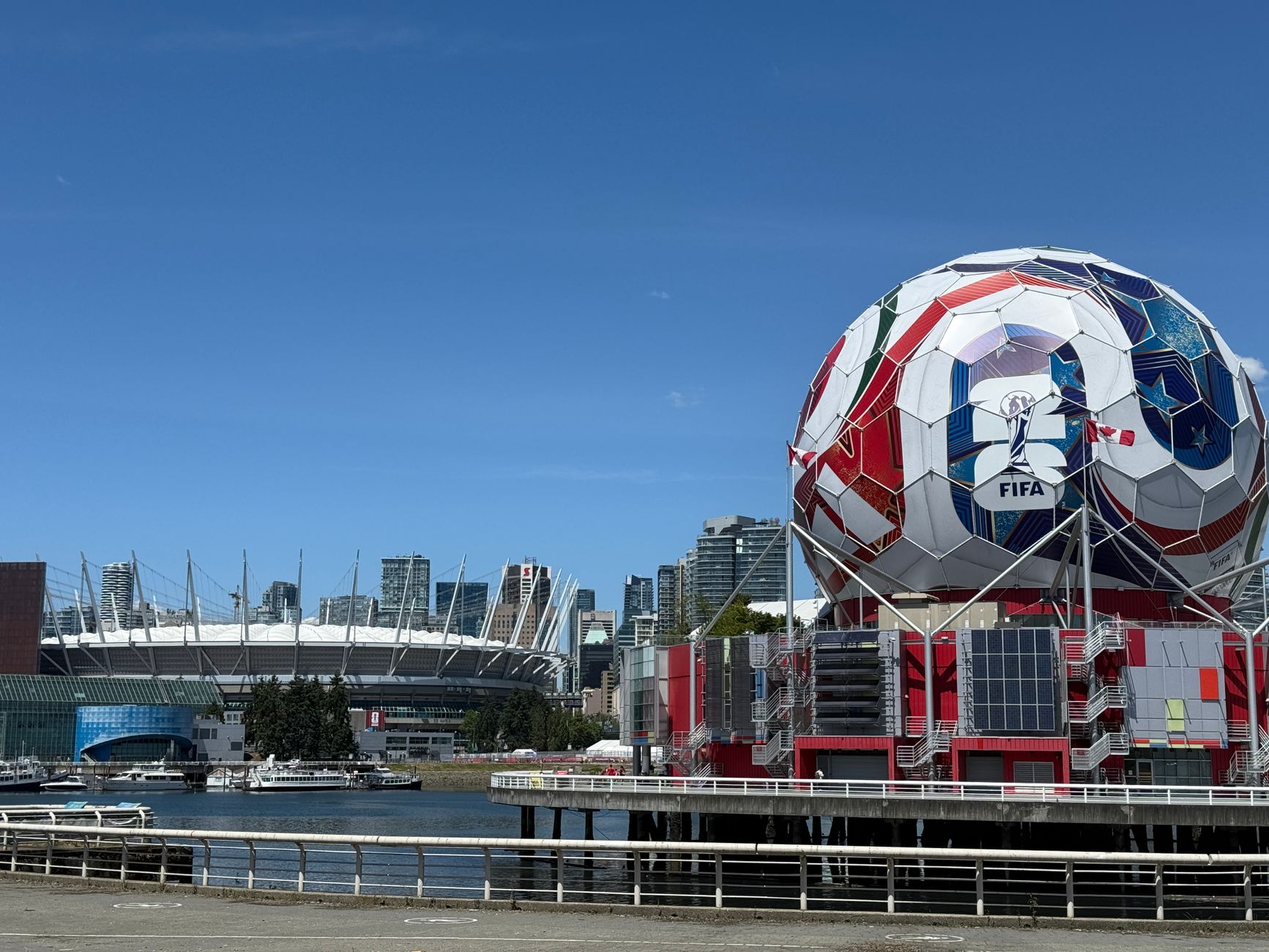
Photo by The Six on Pexels
Ready to follow every match from the June 11 curtain-raiser to the July 19 final? Coach's Corner delivers same-day tactical breakdowns, outright odds tracking, and prop market analysis across all 104 fixtures. Make sure you're set before kickoff.
Thank you for reading this dispatch.
Coach's Corner · The Digital Broadsheet · Issue No. 001